
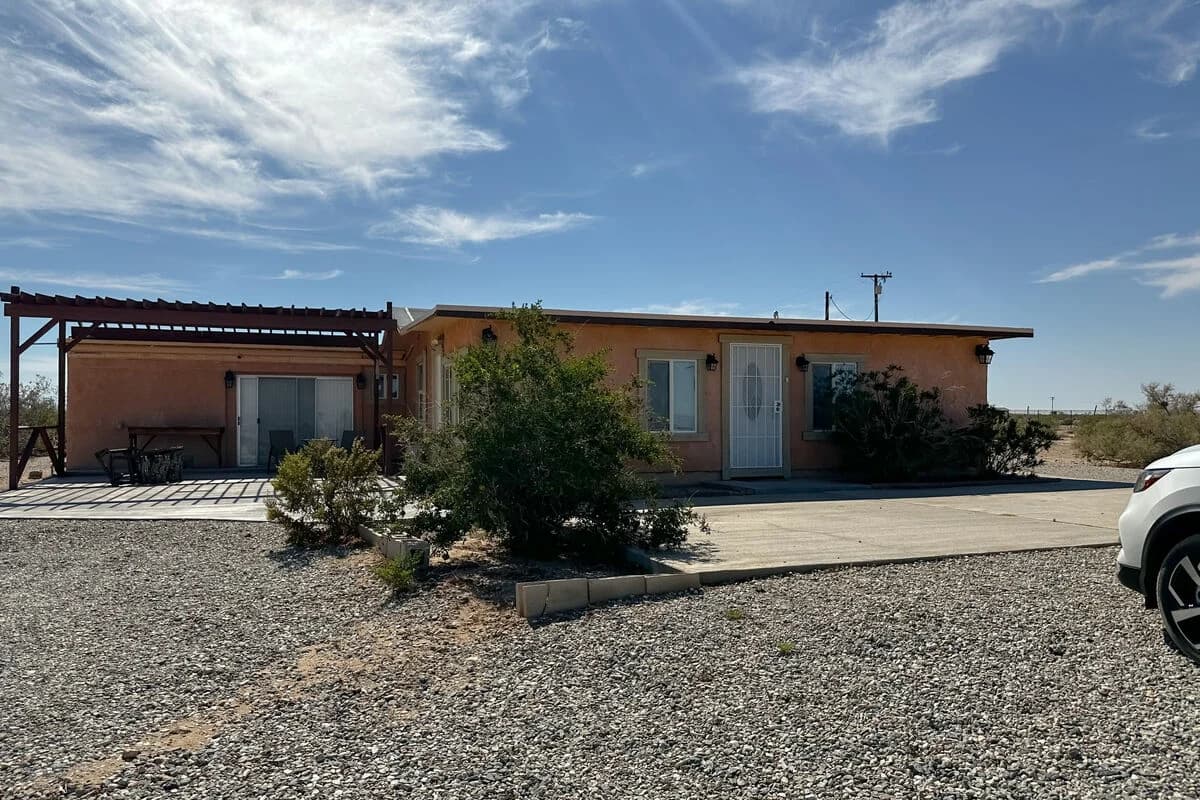
Pet Friendly
Cacti Sanctuary
5.0
Twentynine Palms
3 beds · 2.0 baths · 6 guests
Select dates to view pricing

We use cookies. We use cookies, including analytics, to improve your experience.
Casago SoCal / Joshua Tree
Quiet, wide open, and organized around the national park. Days start early, before the heat, and end outside under a sky with far more stars in it than you are used to.
Casago SoCal is a dba of Acme CA, Inc., operating as Casago High Desert. CA DRE #02420145. Michael Flannery, Designated Broker.
Twentynine Palms
3 beds · 2.0 baths · 6 guests
Select dates to view pricing
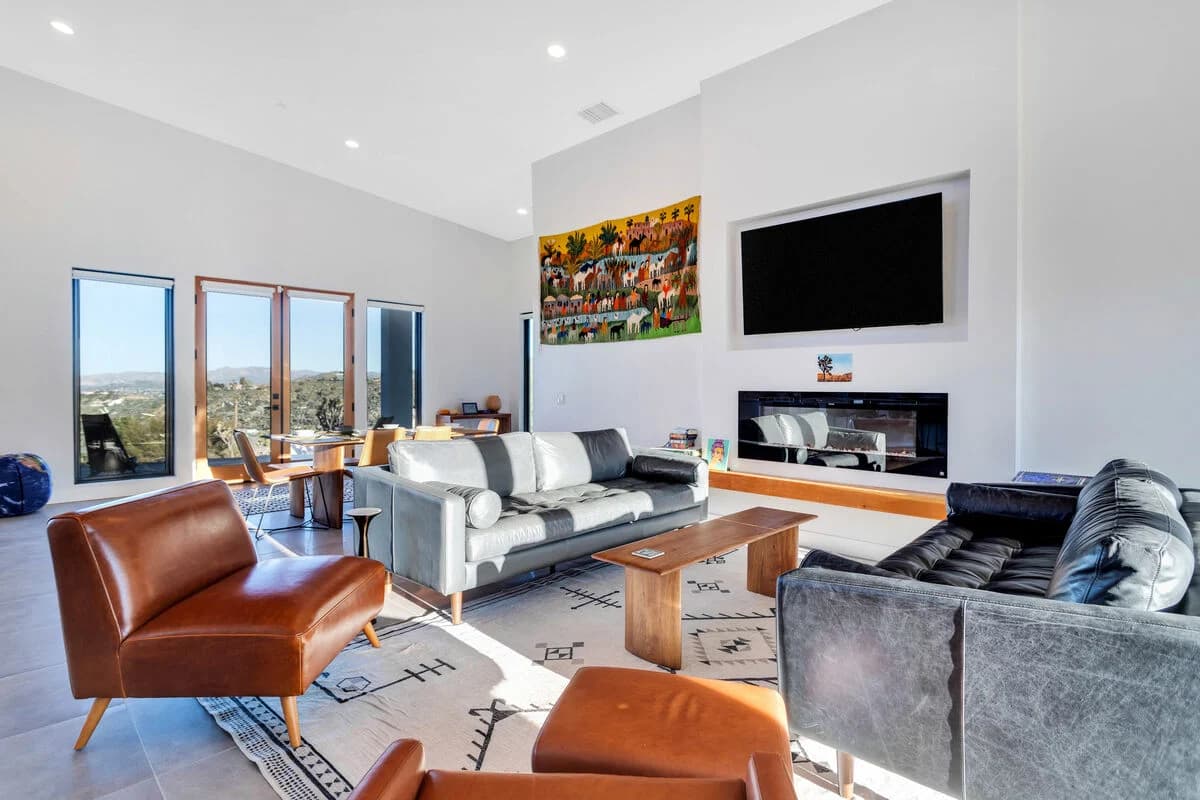
Yucca Valley
3 beds · 2.0 baths · 7 guests
Select dates to view pricing
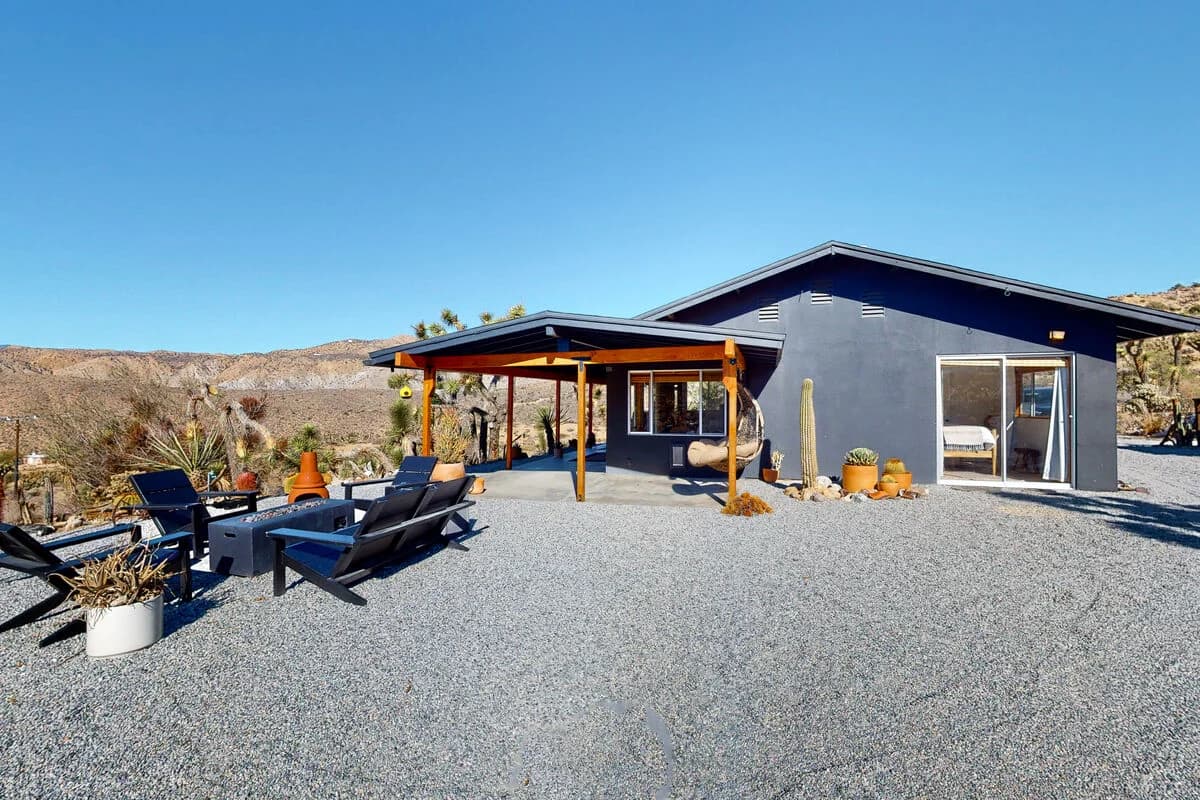
Yucca Valley
1 bed · 1.0 baths · 4 guests
Select dates to view pricing
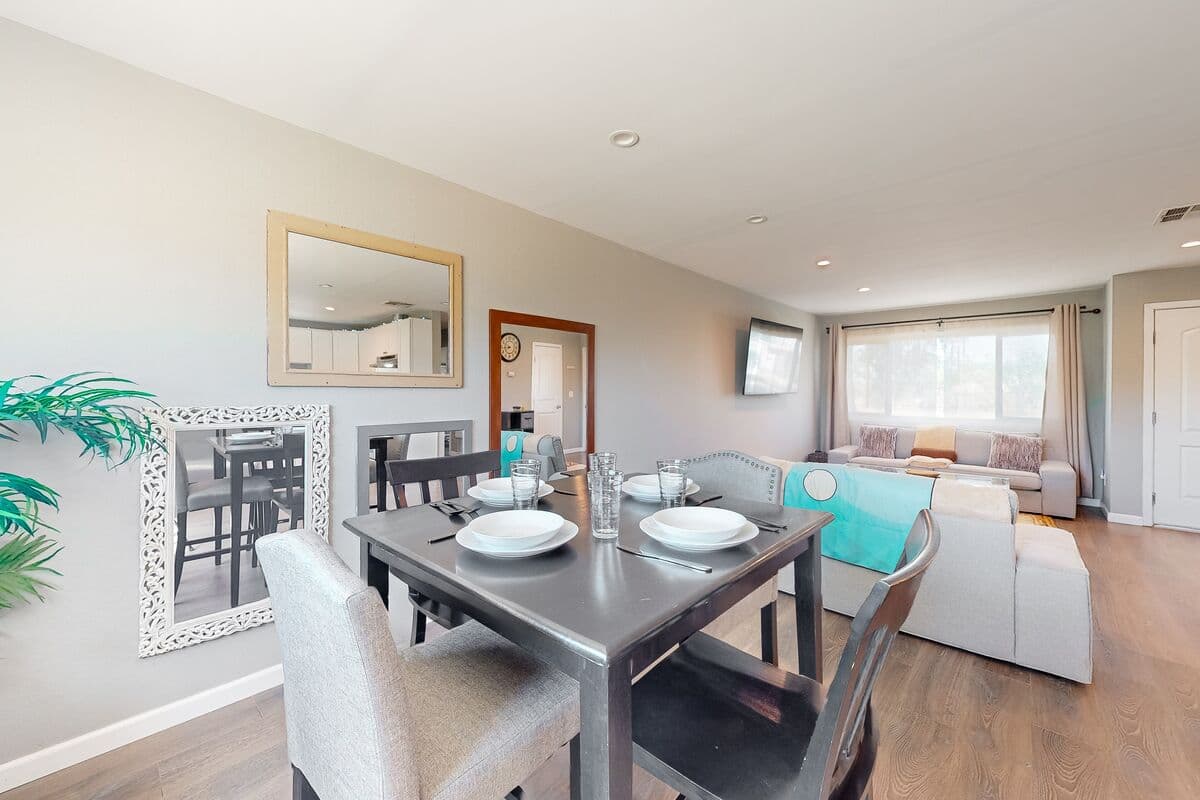
Joshua Tree
3 beds · 2.0 baths · 6 guests
Select dates to view pricing
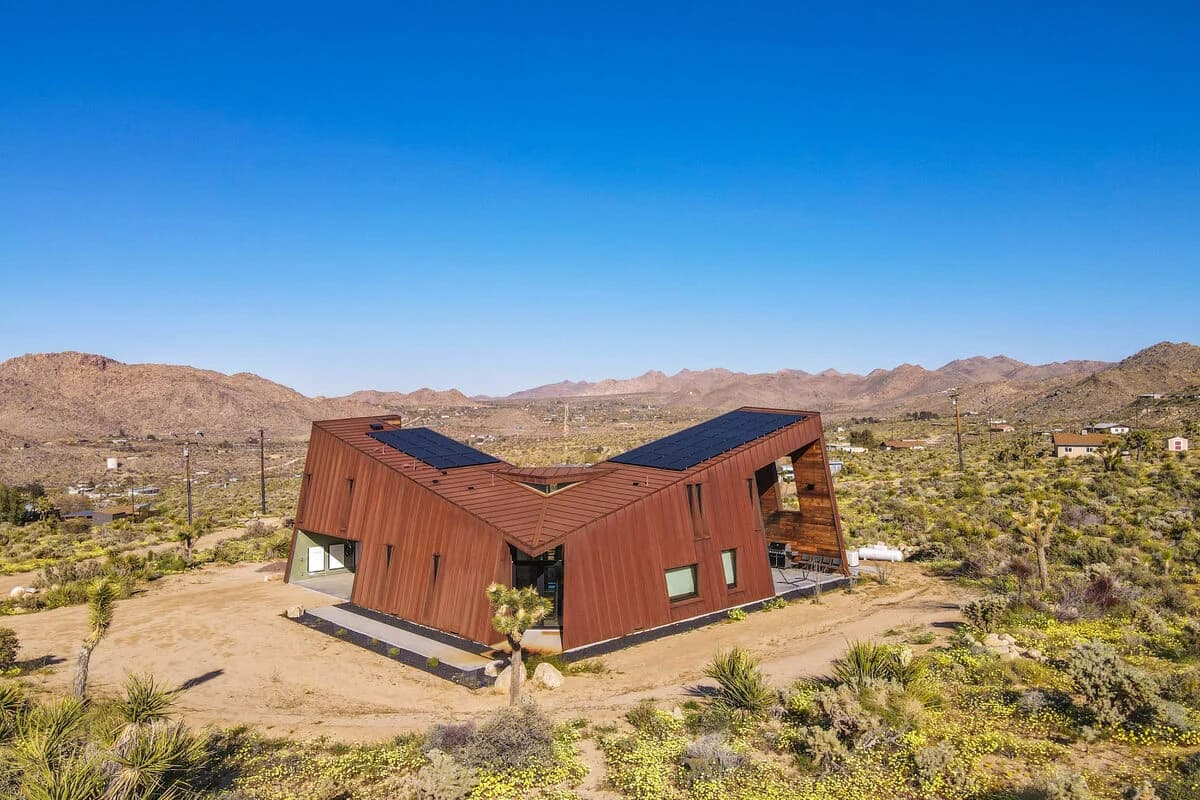
Joshua Tree
3 beds · 2.0 baths · 6 guests
Select dates to view pricing
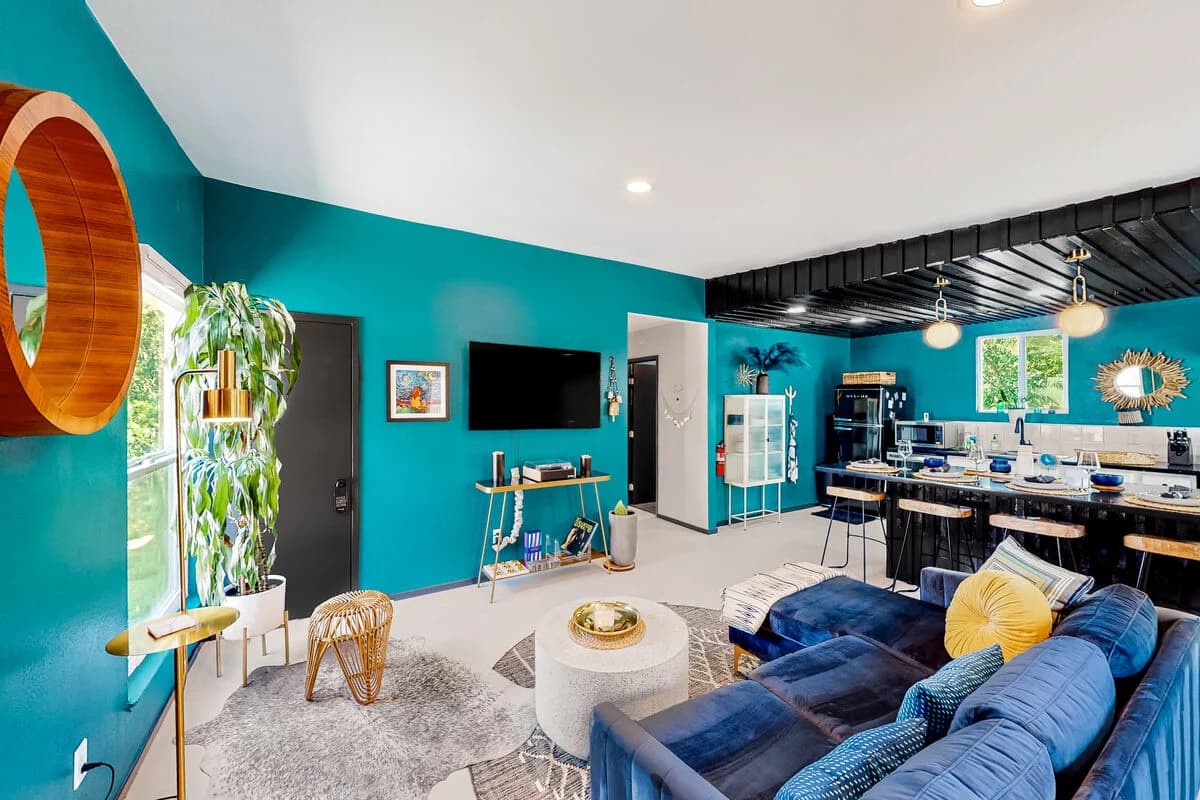
Joshua Tree
2 beds · 1.0 baths · 4 guests
Select dates to view pricing
Start from what matters to your group
Each of these filters real high desert inventory on a verified amenity, so what you see is what the home actually has.
Quiet, wide open, and organized around the national park. Most days here start early, before the heat, with a drive out to a trailhead or a boulder field, and end outside under a sky with far more stars in it than you are used to. In between, the pace is slow on purpose.
Homes spread across a handful of communities strung along Highway 62. Yucca Valley is the practical hub, with the supermarkets, the hardware stores, and the shortest errands. Joshua Tree village sits closest to the park's west entrance and holds most of the cafes and galleries. Twentynine Palms covers the north entrance and the park headquarters. Farther out, Landers, Pioneertown, and Wonder Valley trade convenience for space, dirt roads, and silence.
The tradeoffs are real and worth planning around. Summer afternoons out here are dangerous rather than merely uncomfortable, and the visitor season runs roughly October through May. Winter nights regularly drop below freezing, so a house with real heat matters as much as one with air conditioning. Cell service disappears inside the park and thins out on the back roads. Many homes sit at the end of an unpaved drive, and most run on well and septic systems, which is worth knowing before anyone plans a long shower.
 Outdoors
Two deserts meet inside the park, and you can feel the change as you drive. The higher Mojave side holds the Joshua trees and the granite piles at Hidden Valley, Barker Dam, and Jumbo Rocks. Drop south into the Colorado Desert and the trees give way to ocotillo and the Cholla Cactus Garden.
 Outdoors
The rock here is coarse monzogranite, grippy and full of features, which is why Joshua Tree became one of the country's best known climbing areas. You do not need ropes to enjoy it. Hidden Valley and Jumbo Rocks reward an afternoon of scrambling, and Ryan Mountain trades a steep climb for a summit view.
 Outdoors
Joshua Tree National Park carries an International Dark Sky Park designation, and the difference is obvious the first night you step outside a house out here. Let your eyes adjust for a while, leave the flashlight in your pocket, and look south. Some of the best stargazing happens from your own patio.
 Culture
Pioneertown was built as a live-in Western movie set in the years after World War II, and Mane Street still looks the part: a wooden boardwalk, false fronts, and the occasional horse. It sits up a canyon road from Yucca Valley, and the drive out at dusk is half the reason to go.
 Culture
Noah Purifoy built large sculptures out of salvaged material on open desert land north of Joshua Tree village, and the outdoor museum that holds them is still there, free and unfenced. You walk among the pieces while the wind moves through them. It explains the area's art reputation better than a gallery could.
 Family
A spring-fed canyon at the western edge of the high desert, where a boardwalk crosses genuinely wet marsh under cottonwoods and willows. It is one of the better birding stops in the region, and the shade is a relief. The walking is flat and easy, which makes it a good outing with small kids.
 Dining
Nearly everything worth eating sits along Highway 62, the road that strings Morongo Valley, Yucca Valley, Joshua Tree village, and Twentynine Palms together. Pick your stretch and park once. Driving between towns for dinner is normal here, so plan for some road time on either side of a meal.
 Dining
The village blocks near the park's west entrance hold the highest concentration of small kitchens, coffee counters, and patios, and it is the one part of the high desert where you can walk between a few of them. It fills up on weekend mornings with people fueling before the park gate.
 Dining
Yucca Valley is where the supermarkets are, and it is the right stop before you settle into a house. Buy more water than you think you need, plus ice and breakfast. Selection thins fast as you head east toward Twentynine Palms and Wonder Valley, and the far end of the highway has almost nothing.
 Dining
Mornings are the meal that matters. In fall and spring the park entrances back up as the day warms, so the pattern is coffee and something portable early, then hike before the sun is high. Most kitchens open early enough to make that work. Carry lunch, because there is no food inside the park.
 Dining
Half the point of a desert rental is the outdoor space. A grill, a long table, and a fire pit turn dinner into the evening's entertainment once the stars come out. Kitchens in the area also close earlier than most visitors expect, so cooking in is often the easier plan on a weeknight.
 Dining
The road up from Yucca Valley to Pioneertown opens into a different landscape, and the small cluster of places to eat and hear live music at the top draws people from across the desert on weekends. Go early or expect a wait, and check hours before committing to the drive.
Make your stay yours
We’re local, and we love the little touches that turn a booking into a memory — for you and your dog. Tell us what you’re celebrating and our team makes it special.
Bowls, bed, treats & a dog-park map.
Settle in at noon instead of 4pm.
Stay until 1pm on your last day.
Pet-friendly homes and flexible arrival/departure times are available on select homes and dates.
From the local guide
Casago SoCal is locally owned and operated. The people who prepare your house, inspect it before you arrive, and answer the phone when something needs fixing live and work out here in the high desert, not in a head office somewhere else.
Locally owned and operated
Every Casago destination is run by owners who live in it. Decisions about your stay get made by people who know which roads turn to washboard and which houses hold their cool in August.
Prepared and inspected before arrival
Homes are cleaned and checked before every arrival: linens, essentials, air conditioning, heat, and hot water. In a climate this extreme, the mechanical checks matter as much as the pretty ones.
Someone nearby when it counts
Desert homes have desert problems. A struggling air conditioner in July, a well pump, a gate at the end of a dirt drive. Our local team handles it rather than passing you along.
Book direct with the manager
Reserving through Casago SoCal connects you to the people who actually manage the home, so questions about access, parking, and the drive in are answered by someone who has stood in that driveway.
October through May is the season. Fall and spring bring mild days and cool nights, which is when the park, the climbing, and the trails are at their best. Summer is the honest exception: afternoon heat out here is dangerous rather than uncomfortable, and midday hiking is a bad idea.
Three nights is the comfortable answer. Give one day to the park's Mojave side and the big rock formations, one to the drive south toward the Cholla Cactus Garden or a longer trail, and one to Pioneertown, the art, and doing very little. Two nights works if you skip the far corners.
Yes, and it is not optional. There is no transit worth planning around, the towns are strung out along Highway 62, and the park itself is enormous. Many rentals sit at the end of unpaved roads, so ask about the drive in before you book a low-clearance car for a remote house.
The national park where the Mojave and Colorado deserts meet, the Joshua trees and monzogranite boulder piles that fill it, some of the best rock climbing in the country, and skies dark enough to carry an International Dark Sky Park designation. The area also has a long artist and musician presence.
Summer highs are extreme and shade is scarce, so plan hikes for early morning or skip them entirely. Winter nights regularly drop below freezing, and clear desert air makes the swing between afternoon and midnight dramatic. Spring wind can be relentless. Carry far more water than feels necessary, in every season.