
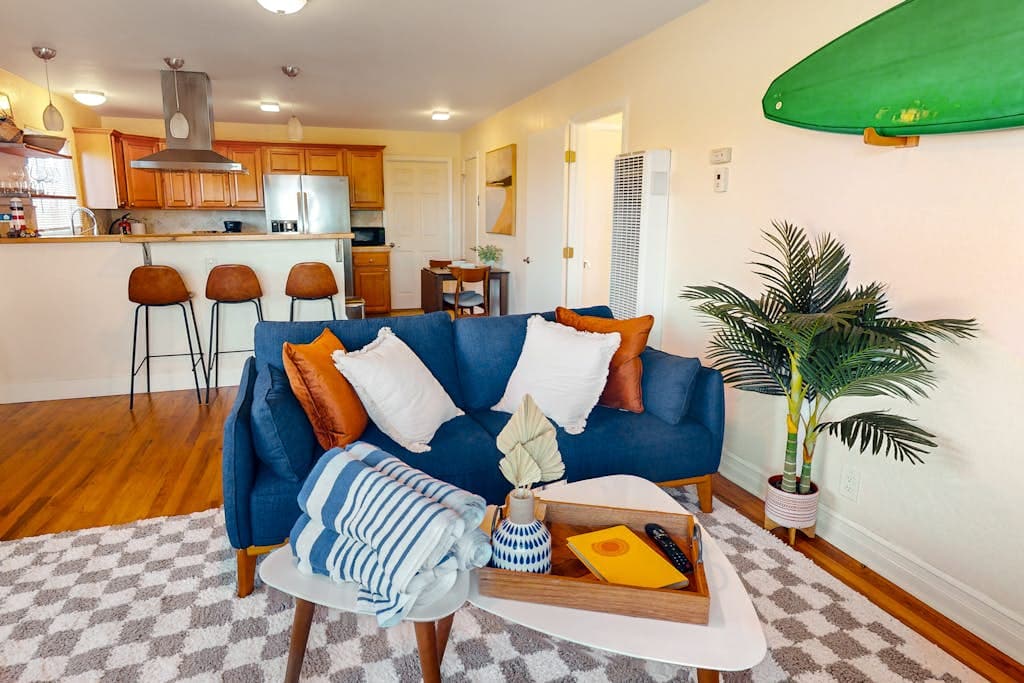
Deep Blue Seaside
5.0
Monterey
2 beds · 1.0 baths · 4 guests
Select dates to view pricing

We use cookies. We use cookies, including analytics, to improve your experience.
Casago SoCal / Monterey Bay
Monterey and Pacific Grove put you walking distance from the waterfront. Carmel-by-the-Sea is quieter and closest to Point Lobos. Santa Cruz sits at the north end of the bay with surf, the boardwalk, and redwoods behind town.
Casago SoCal is a dba of Acme CA Vacations, Inc. CA DRE #02439360. Michael Flannery, Designated Broker.
Monterey
2 beds · 1.0 baths · 4 guests
Select dates to view pricing
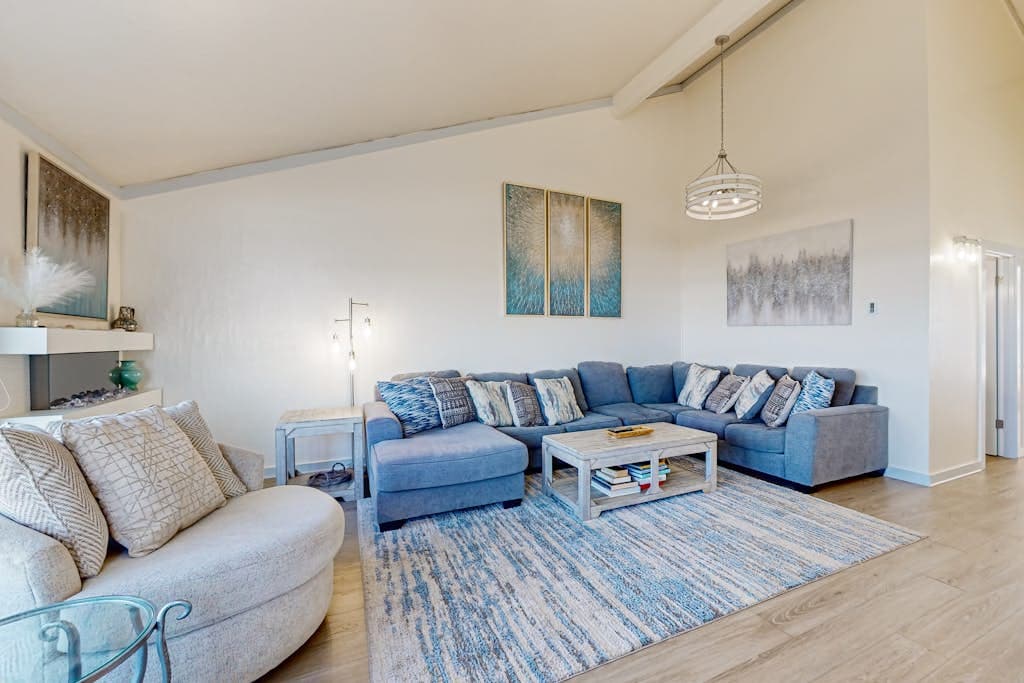
Monterey
3 beds · 3.0 baths · 6 guests
Select dates to view pricing
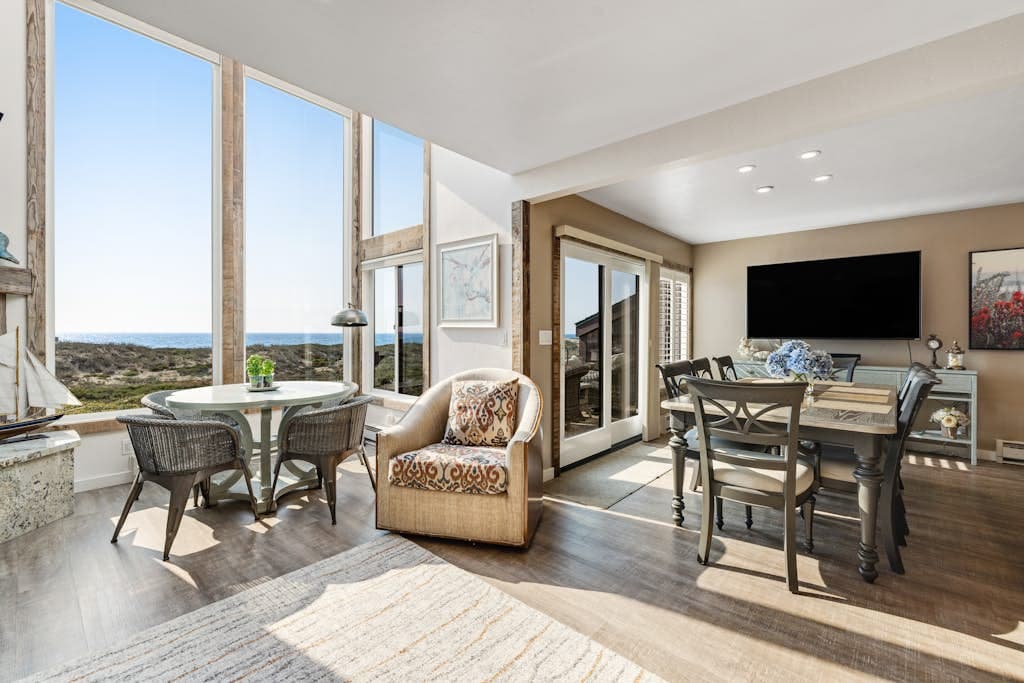
Monterey
4 beds · 3.0 baths · 8 guests
Select dates to view pricing
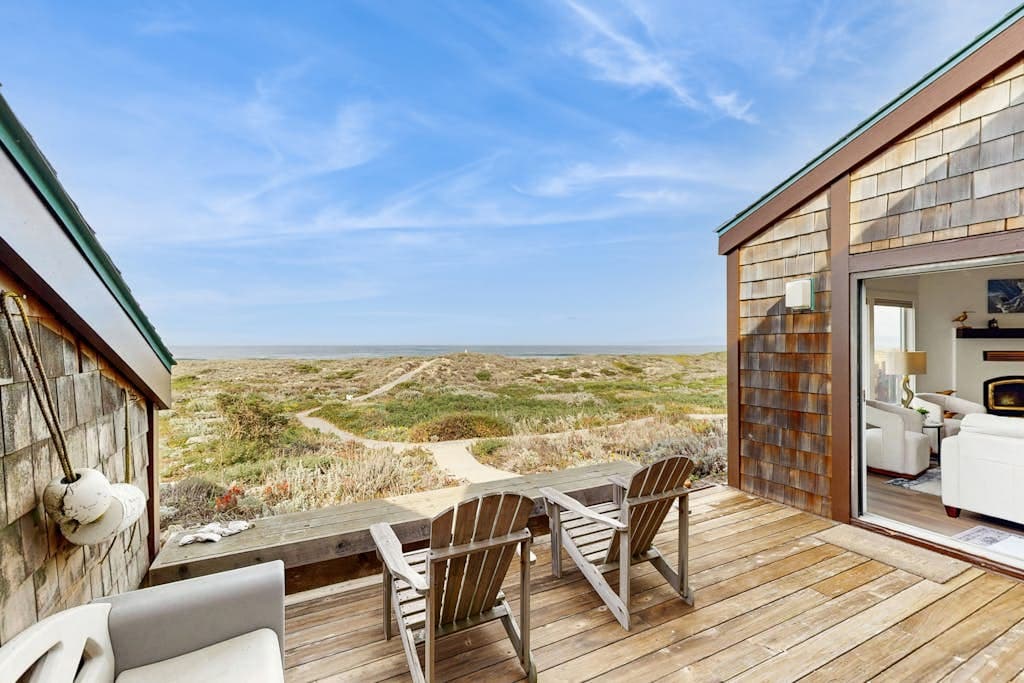
Monterey
2 beds · 2.0 baths · 6 guests
Select dates to view pricing
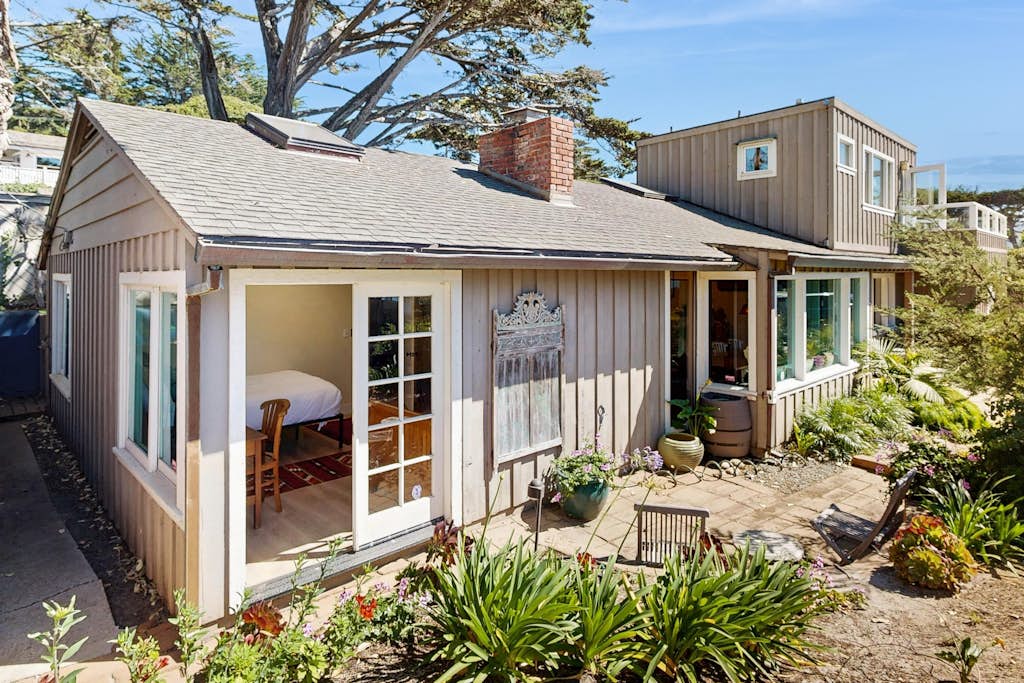
Monterey
3 beds · 3.0 baths · 8 guests
Select dates to view pricing
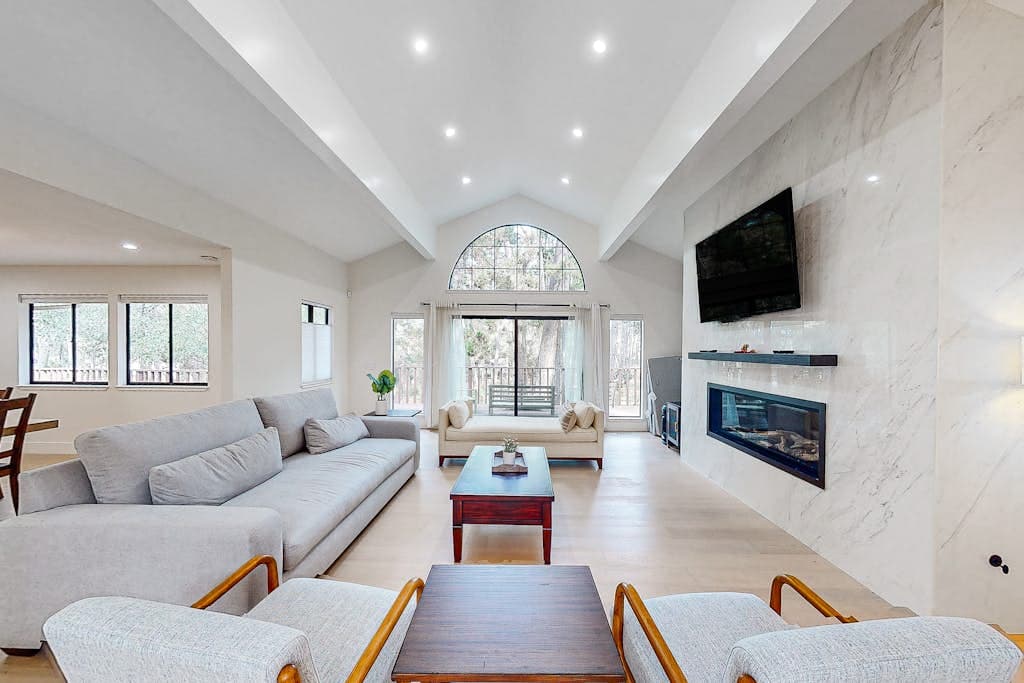
Monterey
4 beds · 3.0 baths · 10 guests
Select dates to view pricing
Start from what matters to your group
Each of these filters real Monterey Bay inventory on a verified amenity, so what you see is what the home actually has.
Pick your base by pace. Monterey and Pacific Grove put you walking distance from the waterfront and Cannery Row. Carmel-by-the-Sea is quieter, walkable, and closest to Point Lobos and Big Sur. Santa Cruz sits at the north end of the bay with surf, the boardwalk, and redwoods behind town.
The three towns sit within an easy drive of each other on Highway 1, and most guests move between them during a stay. Carmel Valley and the inland stretch toward Salinas run warmer and sunnier than the shoreline, which is useful on a gray morning. Moss Landing, Capitola, and Aptos fill in the quieter middle of the bay.
Set expectations on the weather. This coast is cool and often foggy well into summer, and a July afternoon can stay cool enough for a jacket with the marine layer parked over the water. September and October are usually the clearest, warmest months. Pack layers whatever the season.
 Outdoors
Just south of Carmel, Point Lobos wraps granite coves, cypress groves, and clear green water into a compact set of easy trails. Sea lions bark from the rocks and otters float in the kelp beds offshore. Parking fills early on clear weekends, so plan to arrive in the morning.
 Family
Built at the end of Cannery Row on the site of an old sardine cannery, the aquarium pumps live bay water through its tanks, so the kelp forest you watch is the same one growing outside. Tickets are timed and popular dates sell out, so book before you travel.
 Family
The boardwalk is the last of California's seaside amusement parks, with a wooden coaster and a carousel still running above the sand. Walk or ride West Cliff Drive afterward for the surf break at Steamer Lane and long views back across the bay. Both are free to enter.
 Outdoors
Coast redwoods start just behind Santa Cruz. Henry Cowell and Nisene Marks hold shaded, mostly flat trails that stay cool when the coast is bright, and Big Basin, still recovering from the 2020 wildfire, has reopened in stages. It is a good use of a gray coastal morning.
 Outdoors
South of Carmel the road climbs onto cliffs above the Pacific and the towns stop. Turnouts, state parks, and Bixby Creek Bridge make the drive the destination. Check conditions before you go: winter storms close sections of Highway 1 for long stretches, sometimes for a season or more.
 Culture
Carmel packs galleries, courtyards, and storybook cottages into a walkable grid above a white sand beach. There are no street addresses in the village, so businesses go by cross streets. Ocean Avenue runs downhill to the water, and dogs are welcome almost everywhere, including on the beach.
 Dining
The waterfront leans into what the bay produces: clam chowder in bread bowls, fried calamari, and whole crab in season. It is the busiest and most tourist-facing stretch in the region. Prices reflect the view, and the quieter kitchens sit a block back from the water.
 Dining
Downtown Monterey is where locals eat. Alvarado Street and the blocks around it hold breweries, wine bars, taquerias, and newer kitchens cooking with Salinas Valley produce. A weekly farmers market takes over the street and is the easiest way to taste the valley in one pass.
 Dining
Carmel hides much of its dining in interior courtyards off Ocean Avenue and Dolores Street, so look past the storefronts. Expect small rooms, European influence, tasting rooms pouring Monterey County wine, and kitchens that close early. Reservations matter here more than anywhere else on the bay.
 Dining
Santa Cruz eats casually. Pacific Avenue downtown runs to taquerias, bakeries, and student-priced counters, while the Westside and Seabright have filled old industrial buildings with breweries, coffee roasters, and wineries. Portions are generous, dress codes do not exist, and doors stay open later than Monterey.
 Dining
The middle of the bay is a working harbor. Moss Landing sells what comes off the boats from plain counters and markets near the water, and the drive there passes Elkhorn Slough, where otters raft in the channel. Hours run short, so go at lunch.
 Dining
Two of the country's most productive farm valleys sit just inland. Castroville grows artichokes, Watsonville grows strawberries, and the Salinas Valley is known as the nation's salad bowl. Roadside stands and u-pick fields along the highways are seasonal, inexpensive, and the most honest eating around.
Make your stay yours
We’re local, and we love the little touches that turn a booking into a memory — for you and your dog. Tell us what you’re celebrating and our team makes it special.
Bowls, bed, treats & a dog-park map.
Settle in at noon instead of 4pm.
Stay until 1pm on your last day.
Pet-friendly homes and flexible arrival/departure times are available on select homes and dates.
From the local guide
Casago is locally owned and operated in every destination it serves, and Monterey Bay is no exception. The homes here are looked after by a team that lives on this coast rather than a remote back office, which is the difference you notice when a question comes up after hours.
The people who prepare, inspect, and look after your rental live and work around the bay. When something needs attention during your stay, the person handling it is nearby.
Every home is cleaned, prepared, and inspected before check-in. If something is not right when you walk in, tell us and we will put it right rather than ask you to live with it.
Booking direct puts you in contact with the team that manages the home. You get straight answers about the property before you commit, and one point of contact for the whole stay.
September and October are usually the clearest and warmest months on this coast, after the summer marine layer breaks up and before the winter rain arrives. Spring brings wildflowers at Point Lobos and gray whales moving north. Summer is the busiest season but often the grayest, especially in the mornings.
Three to four nights covers the region comfortably. Give one day to Monterey and the aquarium, one to Carmel and Point Lobos, and one to Santa Cruz or the redwoods. Add a night if you plan to drive Highway 1 south into Big Sur, which takes a full day.
Yes, for the region as a whole. Monterey, Pacific Grove, Carmel, and downtown Santa Cruz each have walkable cores, but nothing connects them well by transit and the best coastline sits between towns. Parking is tight in Carmel village and near the Santa Cruz beach on summer weekends.
Marine life above all. Monterey Bay sits over a deep submarine canyon that pulls cold, food-rich water close to shore, which is why otters, sea lions, and whales are so easy to see here. The coast is also known for kelp forests, surf at Santa Cruz, golf on the Monterey Peninsula, and farm country just inland.
Often, yes, and it is worth planning around. The marine layer can sit over the bay for days in June and July, with cool mornings that burn off in the afternoon or not at all. Bring layers year round, and head inland to Carmel Valley when you want reliable sun.